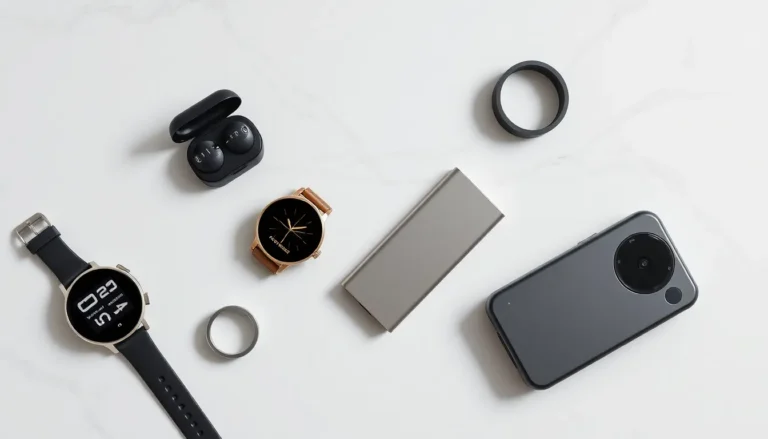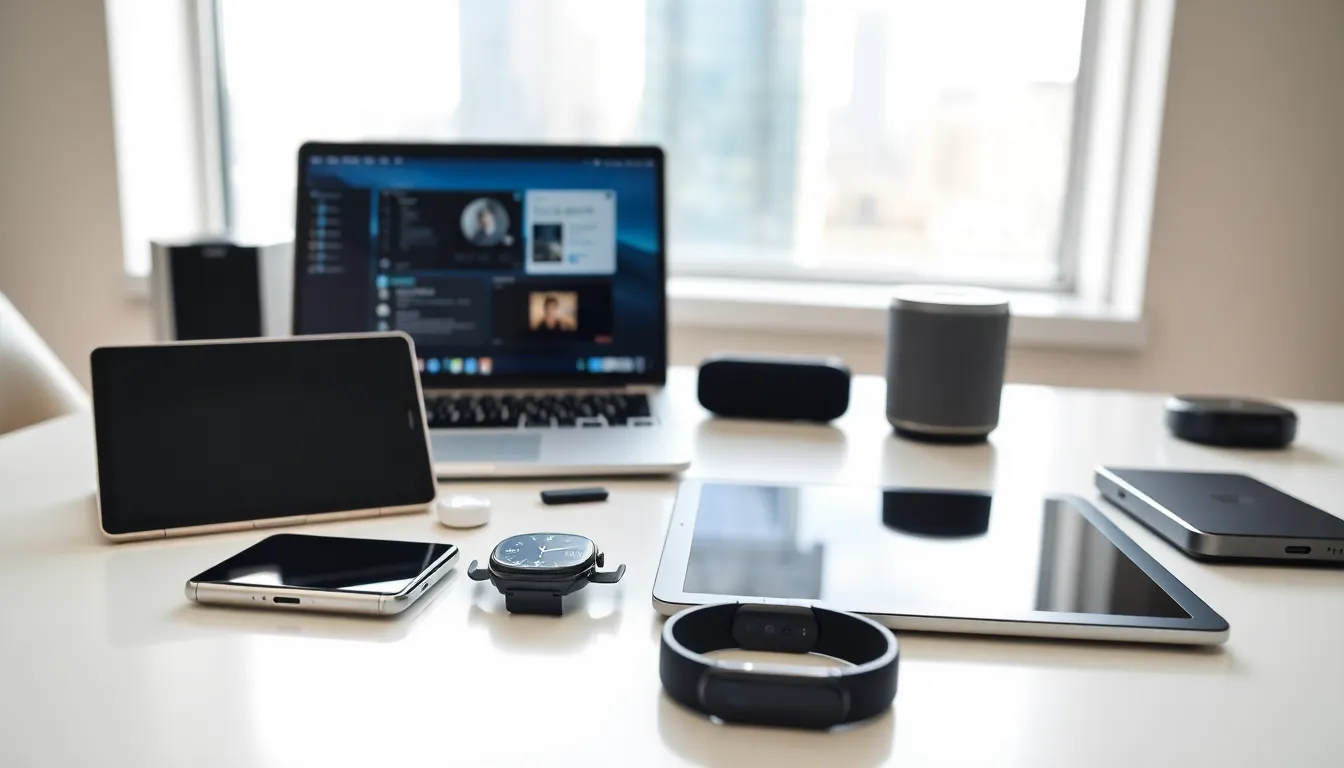
Gadgets shape how people live, work, and communicate. These small electronic devices perform specific tasks and make everyday activities easier. From smartphones to fitness trackers, gadgets have become essential tools in modern life.
But what exactly qualifies as a gadget? The term covers a wide range of devices, and the definition has shifted over time. This article explains what gadgets are, explores the most common types, and examines how these devices influence daily routines.
Table of Contents
ToggleKey Takeaways
- A gadget is a small, portable electronic device designed to perform specific tasks and make everyday life more convenient.
- Common types of gadgets include smartphones, wearables, smart home devices, entertainment systems, and health trackers.
- Gadgets have evolved from single-purpose mechanical tools to smart, interconnected devices powered by AI and IoT technology.
- Modern gadgets impact nearly every aspect of daily life, from work productivity and health monitoring to communication and entertainment.
- Key characteristics of gadgets include compact size, specific functionality, electronic components, and user-friendly interaction.
- The average person relies on multiple gadgets throughout the day, making them essential tools in modern routines.
Defining Gadgets in Today’s World
A gadget is a small mechanical or electronic device that serves a specific purpose. The word originally described any clever tool or invention. Today, gadgets typically refer to portable electronic devices that offer convenience and functionality.
Gadgets differ from larger appliances in size and portability. A refrigerator is an appliance. A smartwatch is a gadget. The distinction matters because gadgets are designed for personal use and easy transport.
Several characteristics define modern gadgets:
- Compact size: Most gadgets fit in a pocket, bag, or hand
- Specific function: Each gadget performs one or more defined tasks
- Electronic components: Modern gadgets rely on circuits, batteries, and processors
- User interaction: Gadgets respond to touch, voice, or button inputs
The tech industry continues to produce new gadgets each year. Companies like Apple, Samsung, and Google release devices that blur the lines between categories. A smartphone, for example, combines a phone, camera, computer, and music player into one gadget.
Gadgets also serve entertainment, health, and productivity purposes. Some gadgets track sleep patterns. Others stream movies. Many help users stay organized and connected. This versatility explains why gadgets remain popular across all age groups.
Common Types of Gadgets
Gadgets come in many forms. Each type serves different needs and interests. Here are the most popular categories of gadgets available today.
Communication Gadgets
Smartphones lead this category. These gadgets allow users to call, text, email, and video chat from anywhere. Tablets and smartwatches also fall into this group. They keep people connected through apps, notifications, and messaging services.
Wearable Gadgets
Wearable gadgets attach to the body. Fitness trackers monitor steps, heart rate, and calories burned. Smartwatches display notifications and track workouts. Wireless earbuds deliver audio without cords. These gadgets have grown in popularity as health awareness increases.
Home Gadgets
Smart home gadgets control household functions. Smart speakers like Amazon Echo respond to voice commands. Smart thermostats adjust temperature automatically. Video doorbells show visitors on a smartphone screen. These gadgets add convenience and security to homes.
Entertainment Gadgets
Gaming consoles, streaming devices, and portable speakers provide entertainment. Virtual reality headsets create immersive experiences. E-readers let users carry thousands of books in one device. These gadgets transform how people relax and have fun.
Photography Gadgets
Action cameras capture video during sports and adventures. Drones take aerial photos and videos. Instant cameras print photos on the spot. Photography gadgets help users document memories in creative ways.
Health and Fitness Gadgets
Beyond basic fitness trackers, specialized gadgets monitor blood pressure, glucose levels, and sleep quality. Smart scales measure body composition. These gadgets give users detailed health data they can share with doctors.
How Gadgets Have Evolved Over Time
Gadgets have changed dramatically over the decades. Early gadgets were mechanical and single-purpose. Today’s gadgets are digital, connected, and multifunctional.
The 1980s introduced the first widely popular electronic gadgets. The Sony Walkman let people listen to music on the go. Digital watches displayed time with new precision. These gadgets sparked consumer interest in portable electronics.
The 1990s brought more powerful gadgets. Personal digital assistants (PDAs) stored contacts and calendars. Portable CD players replaced cassette Walkmans. Video game handhelds like the Game Boy entertained millions of users.
The 2000s marked a turning point for gadgets. Apple launched the iPod in 2001, changing how people consumed music. The iPhone arrived in 2007 and redefined what a gadget could do. This single device combined multiple gadgets into one pocket-sized tool.
Since 2010, gadgets have become smarter and more connected. The Internet of Things (IoT) allows gadgets to communicate with each other. A fitness tracker can sync with a smartphone, which connects to a smart scale. This connectivity creates ecosystems of gadgets that work together.
Miniaturization has also advanced gadget development. Processors that once filled rooms now fit on tiny chips. This allows gadgets to pack more power into smaller packages. Wireless technology has eliminated cables, making gadgets more portable than ever.
Artificial intelligence now powers many gadgets. Voice assistants understand natural language. Cameras recognize faces. Fitness gadgets predict health trends. AI makes gadgets more intuitive and useful.
The Role of Gadgets in Daily Life
Gadgets influence nearly every aspect of modern life. They affect how people work, stay healthy, and connect with others.
Work and Productivity
Gadgets boost productivity in offices and remote workspaces. Laptops and tablets allow work from any location. Wireless keyboards and mice create comfortable setups. Noise-canceling headphones help users focus in busy environments. These gadgets support flexible work arrangements that have become standard.
Health and Wellness
Health-focused gadgets encourage better habits. Fitness trackers motivate users to move more. Sleep gadgets analyze rest patterns and suggest improvements. Meditation apps on smartphones guide stress relief. Many people credit gadgets with helping them achieve health goals.
Communication and Relationships
Gadgets keep families and friends connected across distances. Video calls on smartphones bring loved ones together. Social media apps on tablets share life updates instantly. These gadgets maintain relationships that geography might otherwise weaken.
Learning and Education
Students use gadgets for research, reading, and coursework. E-readers provide access to textbooks and literature. Educational apps turn learning into interactive experiences. Gadgets make information accessible to anyone with an internet connection.
Entertainment and Leisure
Streaming gadgets deliver movies, shows, and music on demand. Gaming gadgets provide hours of interactive entertainment. VR headsets transport users to virtual worlds. These gadgets offer endless options for relaxation and fun.
The average person interacts with multiple gadgets each day. Morning routines often start with a smartphone alarm. Commutes involve wireless earbuds. Workdays depend on laptops and tablets. Evenings feature streaming devices and gaming consoles. Gadgets have woven themselves into the fabric of daily routines.