Technology moves fast. A gadgets guide can help anyone make smarter buying decisions in 2025. New devices hit the market every week, and choosing the right ones saves time, money, and frustration. This guide breaks down the most important gadget categories, explains what makes a device worth buying, and shares practical tips for getting the best value. Whether someone wants a smarter home, better fitness tracking, or simply the latest tech, they’ll find clear answers here.
Table of Contents
ToggleKey Takeaways
- A must-have gadget solves a real problem, fits your lifestyle, and offers practical value over novelty.
- Smart home devices and wearables dominate the 2025 gadgets guide, offering automation, health tracking, and convenience.
- Stick to one smart home ecosystem (Alexa, Google Home, or Apple HomeKit) to avoid compatibility frustrations.
- Research real user reviews and check device compatibility before purchasing any new gadget.
- Save money by waiting for sales cycles, buying refurbished, or choosing last year’s model at a discount.
- Factor in long-term costs like subscriptions and accessories when calculating a gadget’s true value.
What Defines a Must-Have Gadget Today
Not every shiny new device deserves a spot in someone’s life. A must-have gadget solves a real problem or makes daily tasks easier. It should fit naturally into existing routines without creating more hassle than it eliminates.
Here’s what separates great gadgets from forgettable ones:
- Practical value: The device addresses a genuine need. A smart thermostat that cuts energy bills passes this test. A novelty item that collects dust doesn’t.
- Build quality: Good gadgets last. Cheap materials mean early replacements and wasted money.
- Ease of use: If a gadget requires an engineering degree to operate, most people won’t use it consistently.
- Compatibility: The best gadgets work well with other devices and platforms someone already owns.
- Regular updates: Software support matters. A gadget that stops receiving updates becomes a security risk and loses features over time.
Price alone doesn’t determine value. A $50 gadget that gets daily use beats a $500 device that sits in a drawer. The smartest buyers think about how a gadget fits their actual lifestyle before clicking “add to cart.”
In 2025, privacy and data security also matter more than ever. A quality gadget should clearly explain what data it collects and give users control over that information.
Essential Gadget Categories To Know
This gadgets guide focuses on two categories that continue to dominate consumer interest: smart home devices and wearable technology. Both offer practical benefits and have matured significantly in recent years.
Smart Home Devices
Smart home gadgets turn ordinary houses into connected spaces. These devices automate tasks, improve security, and reduce energy consumption.
Popular smart home gadgets include:
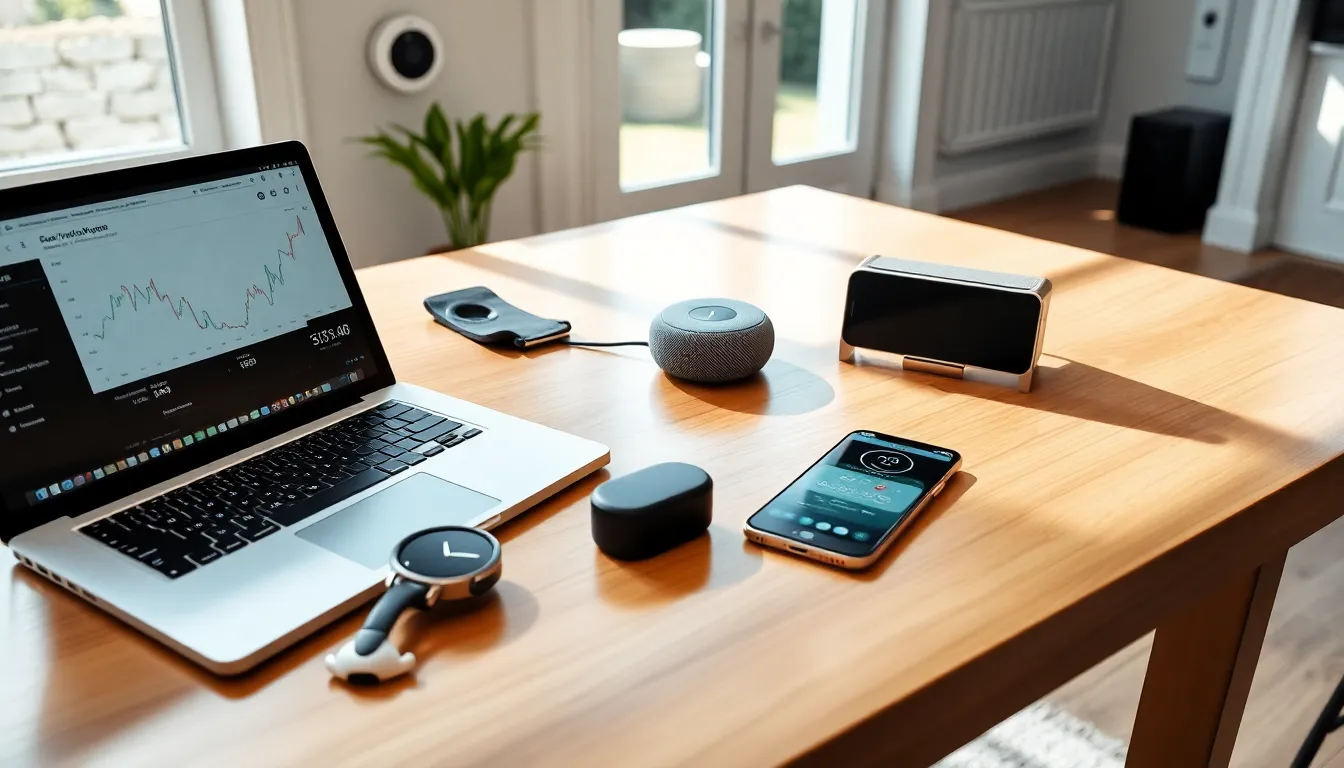
- Smart speakers and displays: Amazon Echo and Google Nest devices act as central hubs. They control other gadgets, answer questions, and play media.
- Video doorbells: Ring and similar products let homeowners see visitors from anywhere. They record footage and send alerts for suspicious activity.
- Smart thermostats: Devices like the Nest Learning Thermostat adjust temperatures automatically. Many users report 10-15% savings on heating and cooling costs.
- Smart lighting: Philips Hue and other brands offer bulbs that change colors, dim on schedule, and respond to voice commands.
- Robot vacuums: iRobot Roomba and competitors clean floors automatically. Higher-end models map rooms and empty their own dustbins.
When building a smart home setup, buyers should pick one ecosystem (Amazon Alexa, Google Home, or Apple HomeKit) and stick with compatible gadgets. Mixing ecosystems often creates frustration.
Wearable Technology
Wearables track health data, deliver notifications, and help users stay connected without constantly checking phones.
Key wearable gadgets in 2025:
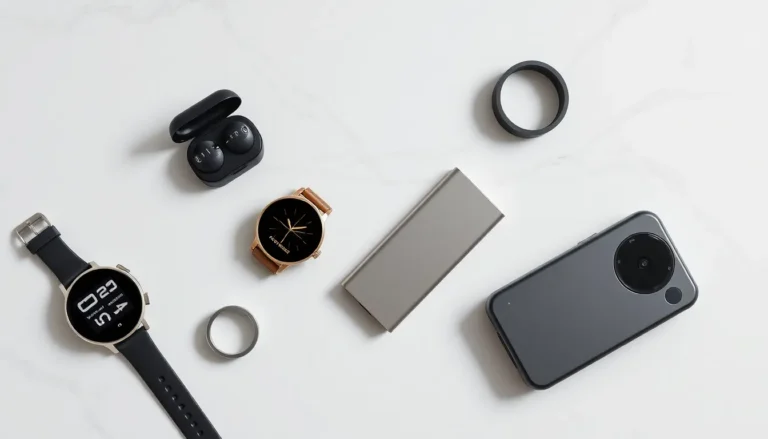
- Smartwatches: The Apple Watch Series 10 and Samsung Galaxy Watch 7 lead the market. They monitor heart rate, track workouts, and support contactless payments.
- Fitness trackers: Fitbit and Garmin offer simpler devices focused on activity tracking. They cost less than smartwatches and often have longer battery life.
- Wireless earbuds: AirPods Pro and Sony WF-1000XM5 deliver excellent audio with active noise cancellation. They double as fitness companions with secure fits.
- Smart rings: Oura Ring and similar products track sleep and recovery in a subtle form factor.
Wearable gadgets work best when users actually wear them. Comfort and style matter as much as features for long-term satisfaction.
How To Choose the Right Gadgets for Your Needs
Buying gadgets without a plan leads to wasted money and cluttered drawers. A thoughtful approach yields better results.
Start with the problem. Before browsing products, identify what needs fixing or improving. Someone who struggles with sleep might benefit from a smart ring or sleep tracker. A person worried about home security should look at cameras and smart locks first.
Research actual user reviews. Marketing materials highlight strengths and hide weaknesses. Real user reviews on Amazon, Reddit, and tech forums reveal common issues. Look for patterns, if multiple reviewers mention the same flaw, take it seriously.
Check compatibility. A gadget that doesn’t work with existing devices creates headaches. Android users should verify iOS-only features won’t affect their experience. Smart home buyers need to confirm new gadgets support their chosen ecosystem.
Consider the learning curve. Some people love tinkering with settings and customization. Others want devices that work immediately out of the box. Honest self-assessment prevents frustration.
Think about long-term costs. Many gadgets require subscriptions for full functionality. A video doorbell might need a monthly cloud storage plan. A fitness tracker could push users toward premium app features. Factor these ongoing costs into the total price.
Don’t chase specs blindly. The gadget with the most features isn’t always the best choice. A simpler device that does fewer things well often outperforms a complicated one that does everything poorly.
This gadgets guide recommends making a shortlist of three options, then comparing them directly on the criteria that matter most to the individual buyer.
Tips for Getting the Best Value on New Tech
Smart shoppers save hundreds of dollars yearly on gadgets without sacrificing quality. These strategies work consistently.
Wait for sales cycles. Major retailers discount tech during predictable windows: Black Friday, Prime Day, back-to-school season, and post-holiday clearances. Patience pays off, the same gadget often costs 20-40% less a few weeks after launch.
Consider refurbished options. Apple, Amazon, and manufacturer-certified refurbished programs offer like-new gadgets at significant discounts. These products undergo testing and typically include warranties. The savings often reach 15-30%.
Use price tracking tools. Sites like CamelCamelCamel (for Amazon) and Honey show historical prices. They alert users when prices drop. This data reveals whether a “sale” actually offers real savings.
Read beyond the headlines. Tech review sites sometimes receive products for free or earn affiliate commissions. Look for reviewers who disclose relationships and provide balanced assessments.
Buy last year’s model. When a new version launches, previous models drop in price. Often, the differences between generations are minor. A 2024 gadget at half price frequently beats a 2025 model at full retail.
Sell old gadgets. Trade-in programs from Apple, Samsung, and retailers offset upgrade costs. Third-party sites like Swappa and Back Market also buy used devices. Selling before a new purchase softens the financial hit.
Skip unnecessary accessories. First-party cables, cases, and add-ons carry premium prices. Third-party alternatives from reputable brands perform identically at a fraction of the cost.
Value doesn’t mean cheap. It means getting the most benefit for each dollar spent.