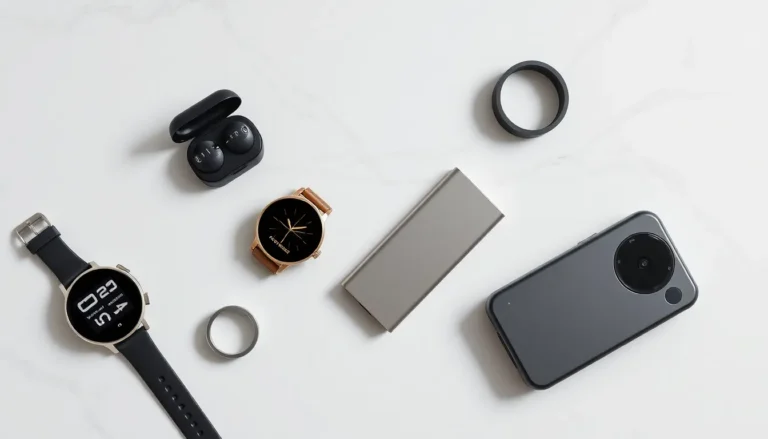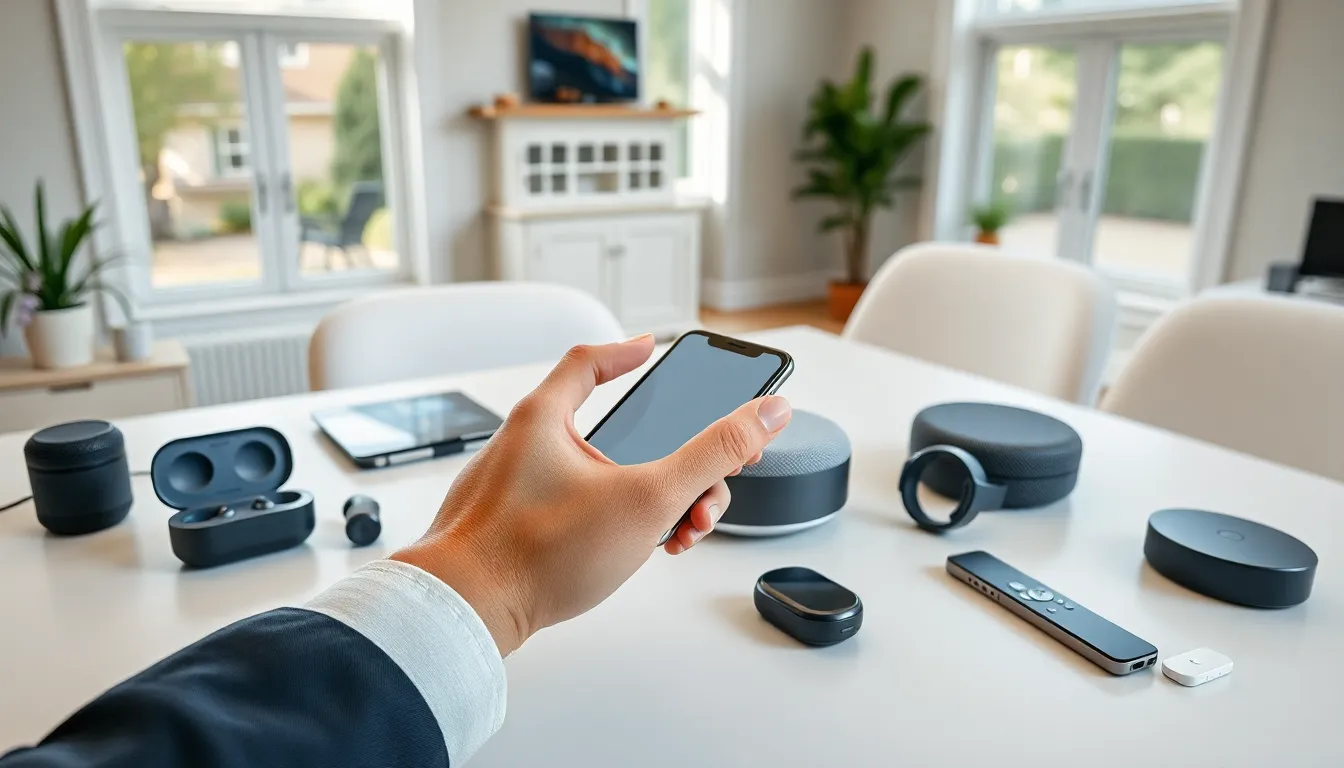
Learning how to use gadgets effectively saves time, money, and frustration. The average household now owns more than 20 connected devices, yet many people use only a fraction of their features. This guide covers practical strategies for setting up, using, and maintaining everyday tech. Whether someone just bought a new smartphone or wants to get better performance from existing devices, these tips apply across categories. From initial setup to long-term care, understanding gadgets makes daily life smoother and extends device lifespans.
Table of Contents
ToggleKey Takeaways
- Spending just ten minutes reading the manual helps you understand how to use gadgets effectively and prevents hours of confusion later.
- Always update firmware and change default passwords during initial setup to ensure security and optimal performance.
- Learn keyboard shortcuts, voice commands, and companion app features to unlock the full potential of your devices.
- When gadgets misbehave, restart first—it solves a surprising number of problems by clearing memory and resetting connections.
- Extend gadget lifespans by keeping software updated, cleaning devices regularly, and protecting batteries from extreme temperatures.
- Register your products to activate warranties and receive important recall notifications that could save you money.
Understanding Your Gadgets Before You Use Them
Most people rip open the box and start pressing buttons immediately. That’s understandable, new tech is exciting. But spending ten minutes with the manual (yes, really) prevents hours of confusion later.
Every gadget has core functions and secondary features. A smart speaker plays music, but it also controls other devices, sets timers, and answers questions. A fitness tracker counts steps, but it might also monitor sleep, heart rate, and stress levels. Knowing what a device can do helps users actually benefit from their purchase.
Read the Quick Start Guide
Manufacturers include quick start guides for a reason. These condensed instructions cover essential setup steps and highlight key features. They typically take five minutes to read and prevent common mistakes.
Check for Companion Apps
Many gadgets require or benefit from smartphone apps. Smart home devices, wearables, and wireless headphones often need apps for full functionality. Download the official app before starting setup, it usually walks users through the process step by step.
Know the Buttons and Ports
Physical buttons serve specific purposes. That tiny hole might be a reset button. The slot on the side could be for a memory card. Understanding what each button and port does prevents accidental resets and missed features.
Setting Up New Devices the Right Way
First-time setup determines how well gadgets perform long-term. Rushing through this process creates problems that are harder to fix later.
Update the Firmware First
Gadgets often ship with outdated software. Before doing anything else, check for firmware updates. These updates fix bugs, patch security holes, and sometimes add new features. Connect the device to Wi-Fi and look for an update option in settings.
Create Strong, Unique Passwords
Default passwords are public knowledge. Hackers know them. Change default credentials immediately and use unique passwords for each device. A password manager makes this easier to handle.
Adjust Privacy Settings
Many gadgets collect data by default. Smart TVs track viewing habits. Voice assistants record conversations. Review privacy settings during setup and disable features that feel unnecessary. Users can always enable them later if needed.
Connect to the Right Network
Some gadgets work better on 2.4GHz Wi-Fi networks, while others prefer 5GHz. Smart home devices often require 2.4GHz for reliable connections. Check the device specifications and connect accordingly.
Register the Product
Product registration activates warranties and provides recall notifications. It takes two minutes and could save hundreds of dollars if something breaks.
Getting the Most Out of Common Gadgets
Owning gadgets and using them well are different things. Here’s how to maximize value from popular device categories.
Smartphones
Smartphones do far more than make calls. Users who learn keyboard shortcuts, gestures, and accessibility features save significant time daily. Enable automatic backups to prevent data loss. Use focus modes to reduce distractions during work hours.
Smart Speakers
Smart speakers become more useful with custom routines. A morning routine might read the weather, play news, and turn on lights, all from a single voice command. Connect compatible gadgets to expand capabilities.
Wireless Earbuds
Most wireless earbuds support touch controls and voice commands. Learning these shortcuts eliminates the need to grab a phone constantly. Many models also include EQ adjustments in their apps for better sound quality.
Fitness Trackers
Fitness trackers provide useful data, but only if users check it. Set specific goals in the companion app. Enable reminders to move. Review weekly summaries to spot trends in sleep and activity levels.
Streaming Devices
Streaming sticks and boxes support voice search, which is faster than typing with a remote. Many also allow casting from phones and laptops. Explore the app store, free channels often go unnoticed.
Troubleshooting Basic Gadget Problems
Gadgets misbehave sometimes. Before calling support or buying replacements, try these fixes.
The Universal Fix: Restart
Restarting solves a surprising number of problems. It clears temporary memory, stops frozen processes, and resets connections. Always try a restart before anything else.
Check Power Sources
Dead batteries and faulty cables cause many issues. Test with a different cable or charger before assuming the device is broken. Inspect charging ports for debris, a blast of compressed air often helps.
Verify Network Connections
Wi-Fi problems affect most connected gadgets. Restart the router. Move the device closer to the router. Check if other devices on the same network work properly. Sometimes the issue is the network, not the gadget.
Reset to Factory Settings
When nothing else works, a factory reset often does. This erases all data and returns the device to its original state. Back up important information first, then look for the reset option in settings.
Search for Specific Error Messages
Error codes and messages exist for a reason. Copy the exact message into a search engine. Manufacturers and users have likely documented solutions for common errors.
Maintaining Your Gadgets for Longevity
Proper care extends gadget lifespans significantly. A few simple habits prevent premature failures.
Keep Software Updated
Software updates aren’t just about new features. They fix security issues and improve stability. Enable automatic updates when possible. Check manually at least once a month for devices that don’t update automatically.
Clean Devices Regularly
Dust and grime build up over time. Use microfiber cloths for screens. Compressed air clears debris from ports and speakers. Avoid harsh chemicals, they damage coatings and finishes.
Protect from Physical Damage
Cases and screen protectors prevent expensive repairs. They cost a fraction of replacement parts. For portable gadgets, invest in quality protection.
Manage Battery Health
Batteries degrade with use, but certain practices slow the process. Avoid extreme temperatures. Don’t leave devices plugged in constantly after reaching full charge. Many gadgets now include battery health features in settings, enable them.
Store Properly When Not in Use
Gadgets that sit unused for months need proper storage. Charge batteries to about 50% before storing. Keep devices in cool, dry places away from direct sunlight. This prevents battery swelling and component damage.