Virtual reality examples are everywhere in 2025. From surgeons practicing complex procedures to students exploring ancient Rome, VR technology has moved far beyond gaming headsets and science fiction. The global VR market reached $67 billion in 2024, and that number keeps climbing.
What makes VR so powerful? It creates immersive environments where users can learn, practice, and experience things that would be impossible, dangerous, or expensive in the real world. A medical student can perform heart surgery without risking a patient. An architect can walk through a building before construction begins. A pilot can crash a plane, and learn from it, without anyone getting hurt.
This article explores the most impactful virtual reality examples across six major industries. Each section shows how organizations use VR to solve real problems, cut costs, and deliver better results.
Table of Contents
ToggleKey Takeaways
- Virtual reality examples span six major industries in 2025, including gaming, healthcare, education, real estate, and military training.
- VR-trained surgeons performed 230% better than traditionally trained peers, demonstrating the technology’s impact on medical education.
- Virtual property tours and architectural walkthroughs save time and money by letting clients experience spaces before they’re built.
- Students retain information better through VR experiences, with research showing stronger memories and emotional connections than traditional learning methods.
- Military and aviation organizations use VR to practice dangerous scenarios safely, reducing costs and eliminating risk of injury.
- The declining cost of VR equipment has made these virtual reality examples accessible to schools, businesses, and consumers worldwide.
Gaming and Entertainment
Gaming remains the most visible use case for virtual reality. Major platforms like Meta Quest 3 and PlayStation VR2 have brought immersive gaming into millions of homes. Players don’t just watch a game, they step inside it.
Beat Saber, Half-Life: Alyx, and Resident Evil 4 VR demonstrate what’s possible when developers build specifically for virtual reality. These games track head movement, hand position, and physical actions. Players duck behind cover, swing swords, and explore environments by walking through them.
But VR entertainment extends beyond traditional gaming. Virtual concerts have attracted massive audiences. Travis Scott’s 2020 Fortnite concert drew 12.3 million live viewers. More recently, artists like The Weeknd and Billie Eilish have performed in fully immersive VR environments where fans can move freely and interact with the show.
Theme parks have adopted VR to enhance existing rides. Disney, Universal, and smaller parks now offer VR roller coasters and attractions. Visitors wear headsets that sync with physical movement, creating experiences that feel genuinely new.
Virtual reality examples in entertainment also include social platforms like VRChat and Rec Room. These spaces let users create avatars, build worlds, and hang out with friends across the globe. For many people, VR social spaces have become a regular part of their lives.
Healthcare and Medical Training
Healthcare provides some of the most impressive virtual reality examples available today. Medical schools and hospitals use VR to train doctors, treat patients, and plan surgeries.
Surgical training has been transformed by VR simulation. Companies like Osso VR and FundamentalVR offer platforms where surgeons practice procedures repeatedly. A 2023 study published in JAMA Surgery found that VR-trained surgeons performed 230% better than traditionally trained peers on certain procedures. They made fewer errors and completed operations faster.
Patient treatment represents another growing area. VR therapy helps people manage chronic pain, anxiety, and PTSD. Cedars-Sinai Medical Center conducted research showing that VR reduced pain scores by 24% in hospitalized patients. The technology distracts the brain and creates calming environments that reduce stress responses.
Physical rehabilitation has embraced virtual reality too. Stroke patients practice movements in VR games that make repetitive exercises feel engaging. The visual feedback helps patients understand their progress and stay motivated during recovery.
Surgeons now use VR to plan complex operations. They can examine 3D models of a patient’s anatomy before making a single incision. This preparation reduces surprises in the operating room and improves outcomes. Virtual reality examples in healthcare continue to expand as the technology becomes more accessible and affordable.
Education and Virtual Classrooms
Virtual reality is changing how students learn. Instead of reading about history, they can visit ancient civilizations. Instead of looking at diagrams, they can walk through a human cell.
Stanford University’s Virtual Human Interaction Lab has studied VR learning for over a decade. Their research shows that VR experiences create stronger memories and emotional connections than traditional media. Students who “visited” the Great Barrier Reef in VR showed greater concern for ocean conservation than those who watched videos.
K-12 schools have started adopting VR for science and history classes. Google Expeditions (now part of Google Arts & Culture) offers hundreds of virtual field trips. Students can explore the International Space Station, walk through the Palace of Versailles, or jump into coral reefs, all without leaving their classroom.
Virtual reality examples in higher education include medical schools, engineering programs, and business simulations. Walmart trained over one million employees using VR, teaching them how to handle Black Friday crowds, operate new technology, and respond to emergencies.
Language learning benefits from VR immersion. Apps like Mondly VR place users in realistic scenarios, ordering food at a restaurant, asking for directions, or having a job interview. Speaking practice feels less awkward when there’s no real person judging mistakes.
The cost of VR equipment has dropped significantly. Schools that couldn’t afford the technology five years ago now purchase classroom sets of headsets.
Real Estate and Architecture
Real estate agents and architects have found practical uses for virtual reality. VR lets clients experience spaces that don’t exist yet, or visit properties thousands of miles away.
Virtual property tours save time for everyone involved. Buyers can walk through homes without scheduling in-person visits. This proves especially valuable for international buyers or people relocating to new cities. Companies like Matterport create 3D scans of properties that users can explore at their own pace.
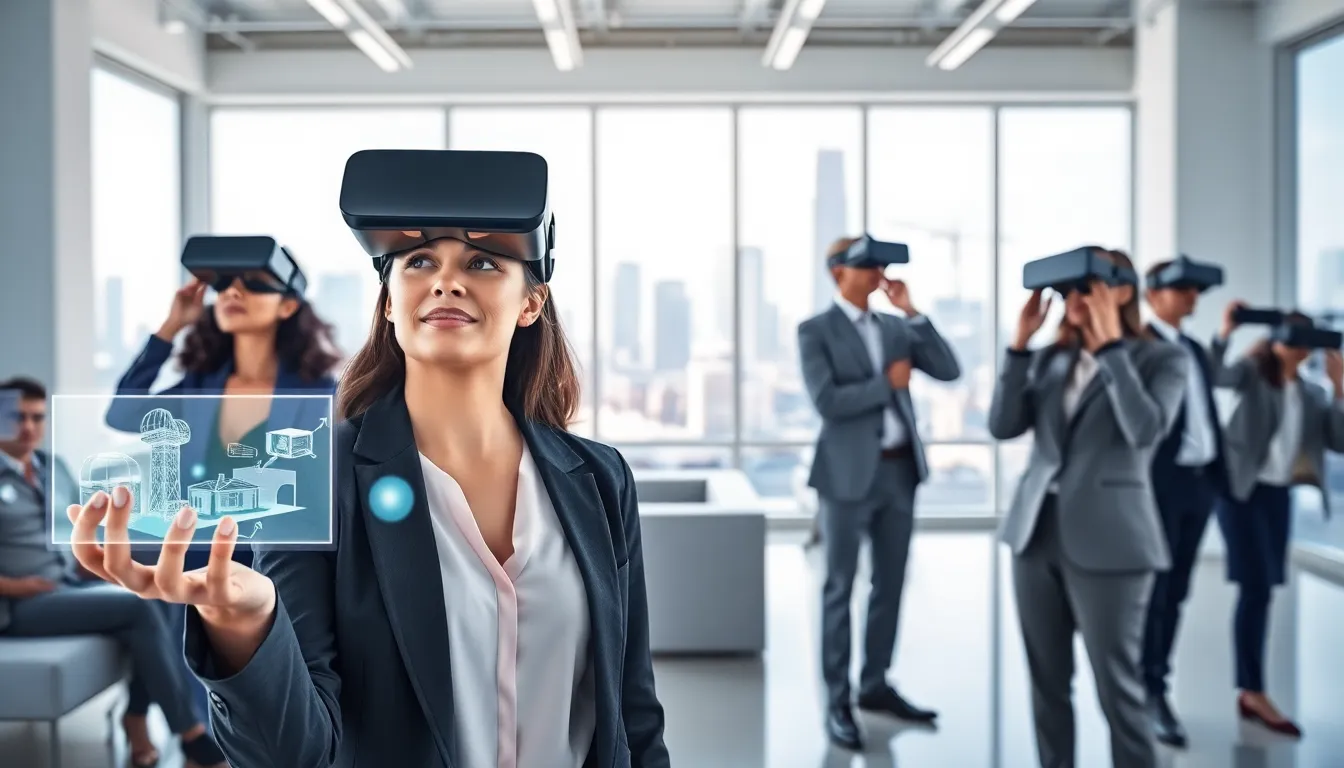
Architecture firms use VR during the design process. Clients struggle to understand floor plans and 2D renderings. But when they put on a headset and stand inside their future home, problems become obvious. That kitchen feels too cramped. Those windows don’t let in enough light. Making changes in VR costs almost nothing compared to construction modifications.
Virtual reality examples in commercial real estate include retail store planning, office layout testing, and hotel design. Companies can test different configurations before committing to expensive buildouts.
Interior designers show clients furniture arrangements and color schemes in virtual spaces. Customers can see exactly how a sofa will look in their living room before they buy it. IKEA and other retailers have developed VR apps that let shoppers visualize products in their homes.
Construction companies use VR for safety training and project planning. Workers practice dangerous scenarios in virtual environments where mistakes don’t cause injuries.
Military and Aviation Training
Military organizations and airlines have used simulation training for decades. Virtual reality has made these simulations more immersive and effective.
Flight simulators represent classic virtual reality examples. Pilots train for hours in simulators before flying real aircraft. Modern VR headsets have made personal flight training more accessible. Programs like X-Plane and Microsoft Flight Simulator combined with VR headsets create convincing cockpit experiences at a fraction of traditional simulator costs.
The U.S. military has invested heavily in VR training systems. Soldiers practice combat scenarios, vehicle operation, and medical procedures in virtual environments. The Army’s Synthetic Training Environment aims to connect soldiers across the globe in shared virtual battlefields.
VR training reduces risks and costs. A crashed helicopter in VR doesn’t kill anyone or destroy millions of dollars in equipment. Soldiers can repeat dangerous missions until they develop proper muscle memory and decision-making skills.
Parachute training now includes VR components. Trainees experience freefall and landing scenarios before their first real jump. The technology helps reduce anxiety and prepare jumpers for what they’ll actually see and feel.
Airlines use VR for cabin crew training too. Flight attendants practice emergency procedures, passenger management, and safety demonstrations. Virtual reality examples in aviation extend to maintenance training, where technicians learn to work on engines and systems without risking damage to actual aircraft.