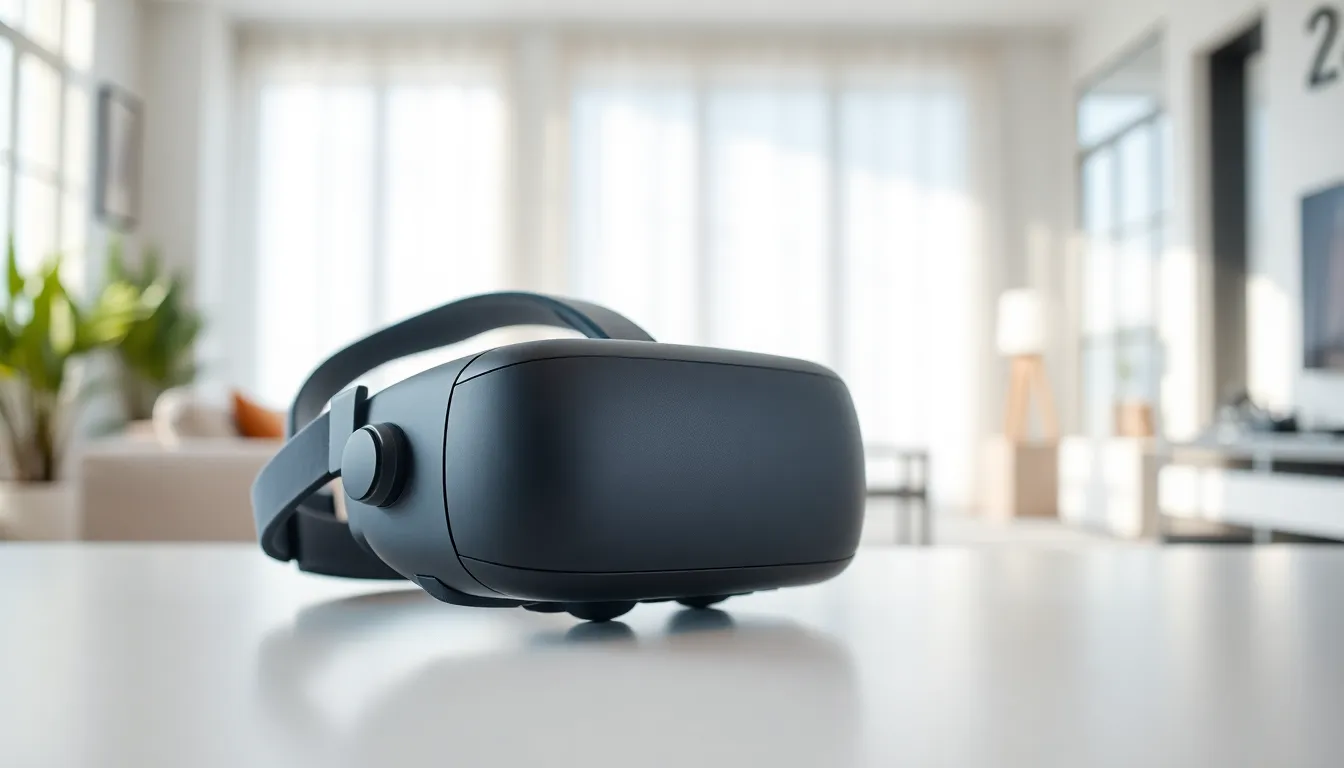
The best virtual reality headsets in 2025 deliver experiences that seemed impossible just a few years ago. Sharper displays, better tracking, and wireless freedom have transformed VR from a novelty into a legitimate platform for gaming, work, and creative expression. Whether someone wants to explore alien worlds, attend virtual meetings, or simply watch movies on a screen the size of a theater, there’s a headset built for that purpose. This guide breaks down the top options across different categories, gaming powerhouses, mixed reality leaders, and budget-friendly picks, so readers can find the best virtual reality experience for their needs and wallet.
Table of Contents
ToggleKey Takeaways
- The best virtual reality headsets in 2025 offer sharper displays, improved tracking, and wireless freedom for gaming, work, and entertainment.
- Meta Quest 3 stands out as a versatile choice, excelling in both standalone VR gaming and mixed reality with high-quality color passthrough.
- PlayStation VR2 delivers the best virtual reality experience for console gamers with OLED displays and innovative eye-tracking technology.
- Budget-friendly options like Meta Quest 2 ($199) and PICO 4 prove you don’t need to spend a fortune for quality VR experiences.
- Key specs to evaluate include display resolution (2160 x 2160 per eye or higher), refresh rate (90Hz–120Hz), and tracking technology.
- Apple Vision Pro leads in mixed reality productivity with unmatched display quality, though its $3,499 price targets a premium audience.
What to Look for in a VR Headset
Choosing the best virtual reality headset comes down to a handful of key factors. Understanding these specs helps buyers avoid disappointment and get the most value from their purchase.
Display Resolution and Refresh Rate
Resolution determines how sharp the virtual world looks. Higher pixel counts reduce the “screen door effect”, that visible grid pattern between pixels that plagued early headsets. In 2025, premium VR headsets offer resolutions of 2160 x 2160 per eye or higher. Refresh rate matters too. A 90Hz refresh rate feels smooth, while 120Hz delivers noticeably fluid motion that reduces eye strain during long sessions.
Tracking Technology
Tracking accuracy affects how natural movements feel inside VR. Inside-out tracking uses cameras mounted on the headset itself, which means no external sensors cluttering the room. Outside-in tracking requires base stations but typically offers superior precision for competitive gaming. Most modern headsets use inside-out tracking, and the technology has improved dramatically.
Standalone vs. Tethered
Standalone headsets run on built-in processors, no PC or console required. They offer convenience and portability but sacrifice graphical power. Tethered headsets connect to a gaming PC or PlayStation, unlocking far more detailed visuals and demanding games. Some headsets, like the Meta Quest 3, offer both modes.
Comfort and Fit
Weight distribution, strap design, and facial interface padding all affect how long someone can wear a headset comfortably. A 500-gram headset with poor balance feels heavier than a 600-gram headset with proper weight distribution. Adjustable IPD (interpupillary distance) settings ensure the lenses align correctly with the user’s eyes, which prevents blurriness and headaches.
Top VR Headsets for Gaming
Gamers demand performance. The best virtual reality headsets for gaming combine high-fidelity graphics, responsive tracking, and expansive game libraries.
Meta Quest 3
The Meta Quest 3 remains a dominant force in VR gaming. It runs standalone games and connects to a PC for more demanding titles. With a resolution of 2064 x 2208 per eye and a 120Hz refresh rate, visuals look crisp and motion feels smooth. The Snapdragon XR2 Gen 2 processor handles standalone games impressively well. Its mixed reality passthrough also adds new gameplay possibilities.
PlayStation VR2
Sony’s PlayStation VR2 delivers the best virtual reality experience for console gamers. It connects exclusively to PlayStation 5 and features OLED displays with 2000 x 2040 resolution per eye. Eye tracking enables foveated rendering, which concentrates processing power where the user looks. Exclusive titles like Horizon: Call of the Mountain showcase what the hardware can do. The Sense controllers provide haptic feedback that adds genuine immersion.
Valve Index
The Valve Index still holds its own for PC VR enthusiasts who prioritize precision. Its 144Hz refresh rate option feels incredibly smooth for fast-paced shooters and rhythm games. The Index controllers track individual finger movements, opening new interaction possibilities. The headset requires base stations and a capable gaming PC, but serious VR gamers often consider it worth the setup.
Best VR Headsets for Mixed Reality
Mixed reality blends virtual objects with the real world. The best virtual reality headsets in this category excel at passthrough quality and spatial awareness.
Meta Quest 3
Meta Quest 3 earns another mention here because its color passthrough cameras represent a major leap forward. Users can place virtual screens in their living room, play games that interact with real furniture, or simply check their surroundings without removing the headset. The mixed reality mode runs smoothly enough that developers have created entire games around it.
Apple Vision Pro
Apple’s Vision Pro targets a different audience. It positions itself as a “spatial computer” rather than a gaming device. The display resolution exceeds anything else on the market, and the eye and hand tracking feel almost magical in their precision. Users can work with multiple virtual monitors, watch spatial videos, and interact with iOS apps in 3D space. The $3,499 price tag limits its appeal, but for mixed reality productivity and media consumption, nothing else comes close.
Varjo XR-4
For enterprise users, the Varjo XR-4 offers the highest-fidelity mixed reality available. Its photorealistic passthrough and human-eye resolution displays serve industries like automotive design, architecture, and professional training. At over $3,000, it’s not a consumer product, but it represents where the technology is heading.
Budget-Friendly VR Options
Not everyone needs, or wants to pay for, cutting-edge specs. These headsets prove that the best virtual reality experiences don’t require emptying a bank account.
Meta Quest 2
The Meta Quest 2 dropped to $199 in late 2024, making it the value king of VR. Yes, it’s older hardware, but it still plays the same library of Quest games as its successor. The 1832 x 1920 per eye resolution looks good, and the Snapdragon XR2 processor handles most games without issue. For someone testing VR for the first time, it’s hard to beat.
PICO 4
The PICO 4 offers specs that rival the Quest 2 at a competitive price point. Its pancake lenses create a slimmer, more comfortable design. The 2160 x 2160 per eye resolution actually exceeds the Quest 2, and the headset weighs less. Its game library is smaller than Meta’s, but it continues to grow.
HP Reverb G2
PC VR enthusiasts on a budget should look at the HP Reverb G2, which frequently goes on sale for under $350. Its 2160 x 2160 per eye resolution matches more expensive headsets. Tracking isn’t as consistent as competitors, but for seated experiences like racing and flight simulators, it delivers excellent visuals at a reasonable price.