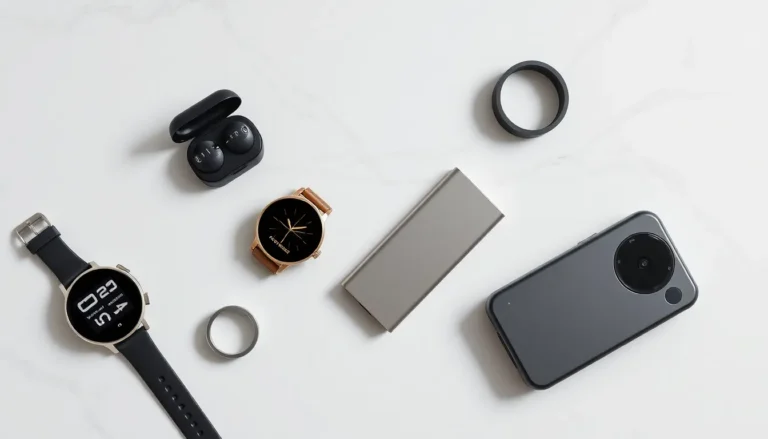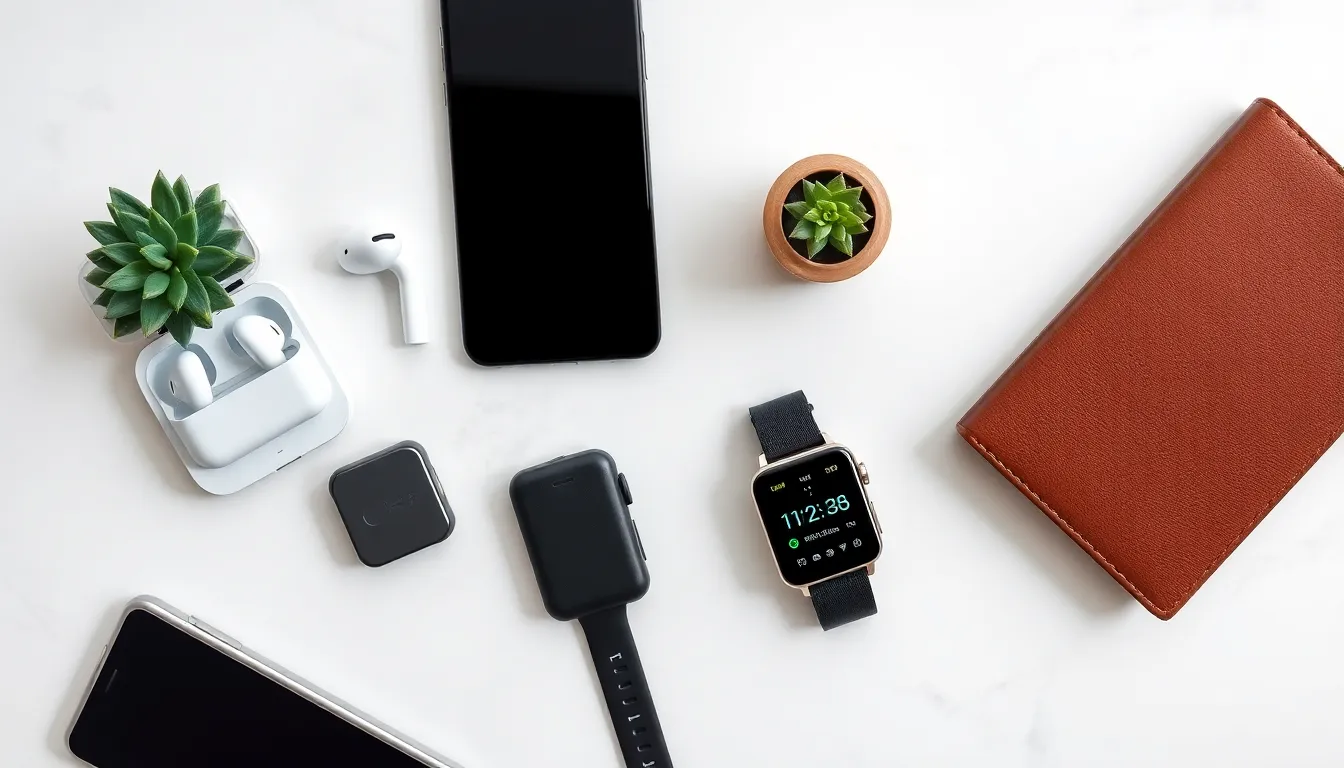
Gadgets examples surround us every day, from the smartphone in your pocket to the smartwatch on your wrist. These small electronic devices have changed how people work, communicate, and live. Modern tech gadgets solve real problems. They save time, improve health, and make homes smarter.
This guide explores the most useful gadgets available today. It covers everyday essentials, smart home devices, wearable tech, and productivity tools. Whether someone wants to upgrade their home setup or find the perfect gift, understanding gadgets examples helps them make better choices.
Table of Contents
ToggleKey Takeaways
- Gadgets examples range from smartphones and wireless earbuds to smart home devices and wearable tech, each designed to solve specific everyday problems.
- Smart home gadgets like thermostats and video doorbells can reduce energy bills by 10-15% while improving home security and convenience.
- Wearable gadgets for health tracking—including smartwatches, fitness trackers, and smart rings—monitor vital signs and can even detect life-threatening heart conditions.
- Essential everyday gadgets examples include portable chargers, e-readers, and smartwatches that have become necessities rather than luxuries for most users.
- Productivity gadgets like digital note-taking tablets, portable monitors, and noise-canceling headphones help people work faster and stay focused anywhere.
- Over 35% of U.S. households now own smart speakers, making voice-controlled devices a central hub for connected living spaces.
What Are Gadgets?
A gadget is a small mechanical or electronic device with a specific function. The term dates back to the 19th century, though today it typically refers to tech devices. Gadgets differ from larger appliances because of their size and portability.
Modern gadgets share several common traits. They’re usually compact, battery-powered, and designed for personal use. Most gadgets connect to other devices or the internet. This connectivity makes them part of a larger ecosystem.
Gadgets examples include smartphones, tablets, e-readers, and wireless earbuds. Game controllers, fitness trackers, and portable chargers also qualify. The key distinction? A gadget performs a focused task well rather than serving as a general-purpose machine.
The gadget market has exploded over the past decade. Consumers now spend billions each year on personal tech devices. This growth reflects how central gadgets have become to daily life. They’re no longer luxuries, they’re necessities for many people.
Essential Everyday Gadgets
Some gadgets examples have become so common that people barely notice them anymore. Yet these devices form the backbone of modern digital life.
Smartphones top the list. These pocket computers handle calls, texts, photos, navigation, and thousands of apps. The average American spends over four hours daily on their phone. Smartphones have replaced cameras, MP3 players, GPS units, and flashlights for most users.
Wireless earbuds rank close behind. Apple’s AirPods popularized the category, but dozens of quality options now exist. People use them for music, podcasts, phone calls, and video conferences. True wireless designs eliminate tangled cords entirely.
Portable chargers keep other gadgets running. A good power bank provides multiple full charges for a smartphone. Travelers and commuters rely on them heavily. Some models can charge laptops too.
E-readers like the Kindle offer another common gadgets example. They store thousands of books in a lightweight device. E-ink displays reduce eye strain compared to tablets. Battery life often stretches to weeks on a single charge.
Smartwatches bridge the gap between phones and wearables. They display notifications, track activity, and run apps independently. The Apple Watch and Samsung Galaxy Watch lead this category.
Popular Smart Home Gadgets
Smart home gadgets examples transform ordinary houses into connected living spaces. These devices automate tasks, improve security, and add convenience.
Smart speakers serve as the hub for many setups. Amazon Echo and Google Nest devices respond to voice commands. They play music, answer questions, control other gadgets, and set reminders. Over 35% of U.S. households now own at least one smart speaker.
Smart thermostats learn heating and cooling preferences over time. The Nest Thermostat and Ecobee adjust temperatures automatically based on schedules and occupancy. Users typically save 10-15% on energy bills after installation.
Video doorbells like Ring and Nest Hello show visitors on a smartphone screen. They record footage, detect motion, and allow two-way conversation. These gadgets examples have become popular security additions.
Smart plugs turn ordinary appliances into connected devices. They allow remote on/off control through apps or voice commands. Lamps, fans, and coffee makers gain smart features without replacement.
Robot vacuums clean floors with minimal human input. Roomba pioneered this category, but Roborock, Eufy, and others now compete. Modern models map rooms, avoid obstacles, and empty their own dustbins.
Smart light bulbs change color and brightness on command. Philips Hue and LIFX offer extensive customization options. Users can set scenes, schedules, and automation rules.
Wearable Gadgets for Health and Fitness
Wearable gadgets examples focus on tracking and improving personal health. These devices monitor vital signs, count steps, and encourage better habits.
Fitness trackers remain the most accessible option. Fitbit created this category and still produces quality devices. Basic models track steps, heart rate, and sleep. They sync with smartphone apps to display trends over time.
Advanced smartwatches offer deeper health features. The Apple Watch includes ECG monitoring, blood oxygen sensing, and fall detection. Samsung and Garmin provide similar capabilities. These gadgets examples have even saved lives by detecting irregular heart rhythms.
Smart rings represent a growing subcategory. The Oura Ring tracks sleep quality and recovery metrics in a discreet form factor. It appeals to users who prefer minimal jewelry-style devices over wrist-worn gadgets.
Continuous glucose monitors help diabetics manage blood sugar levels. Devices from Dexcom and Abbott provide real-time readings without finger pricks. Some non-diabetics use them to understand how food affects their bodies.
Posture correctors use sensors to detect slouching. They vibrate gently to remind wearers to sit or stand straight. Office workers and students often benefit from these gadgets examples.
Sleep trackers go beyond basic wrist monitors. Dedicated devices like the Withings Sleep Mat slip under a mattress. They analyze sleep stages, breathing, and snoring without wearing anything.
Innovative Gadgets for Productivity
Productivity gadgets examples help people work faster and smarter. These tools eliminate friction from daily tasks and create better workflows.
Wireless mechanical keyboards offer improved typing experiences. Brands like Keychron and Logitech produce models with responsive switches and long battery life. Many professionals prefer them over standard laptop keyboards.
Digital note-taking tablets combine paper-like writing with digital storage. The reMarkable 2 and Kindle Scribe let users write notes that sync to the cloud. They replace paper notebooks for meetings, brainstorming, and studying.
Portable monitors extend screen real estate anywhere. A 15-inch USB-C display fits in a laptop bag. Remote workers and travelers use them to maintain multi-monitor setups on the road.
Smart pens like Livescribe record audio while capturing handwritten notes. They link specific passages to corresponding audio timestamps. Students and journalists find this feature valuable.
Desk accessories have gotten smarter too. Wireless charging pads eliminate cable clutter. USB-C hubs expand limited laptop ports. Monitor arms create ergonomic viewing angles. These gadgets examples improve workspace organization.
Noise-canceling headphones boost focus in distracting environments. Sony and Bose lead this category with excellent active noise cancellation. Many models last 20-30 hours on a single charge.