Gadgets vs. gizmos, people use these words interchangeably, but they don’t mean the same thing. Both describe small devices or tools, yet each carries distinct connotations. Understanding the difference helps consumers, tech enthusiasts, and writers communicate more precisely. This article breaks down what defines a gadget, what qualifies as a gizmo, and how to pick the right term for any situation. By the end, readers will know exactly when to use each word and why it matters.
Table of Contents
ToggleKey Takeaways
- Gadgets are small devices with clear, practical functions—like smartphones, fitness trackers, and wireless earbuds—that solve specific problems.
- Gizmos are devices with unclear or unfamiliar purposes, often described with a playful or skeptical tone.
- In the gadgets vs. gizmos debate, the main difference lies in clarity: gadgets have defined functions, while gizmos prompt more questions than answers.
- Use “gadget” in professional or technical writing to build credibility; use “gizmo” in casual or humorous contexts.
- Some devices start as gizmos and become gadgets once they prove their value and gain mainstream acceptance.
- A quick test: if you can explain what a device does in one sentence, it’s a gadget—if not, it’s probably a gizmo.
What Defines a Gadget
A gadget is a small mechanical or electronic device that serves a specific, practical purpose. Gadgets solve problems. They perform clear functions that users can identify and rely on.
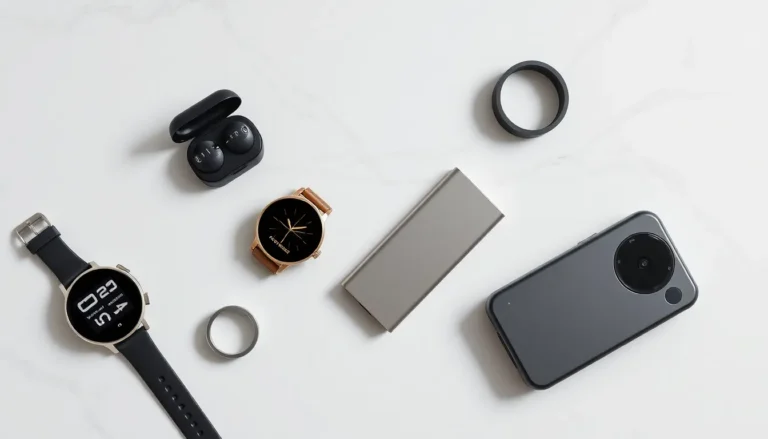
Smartphones, fitness trackers, and wireless earbuds all qualify as gadgets. Each one does something useful. A smartphone connects people, stores information, and runs applications. A fitness tracker monitors heart rate and counts steps. Wireless earbuds deliver audio without cables.
The word “gadget” entered common usage in the late 19th century. Sailors and mechanics used it to describe tools or parts they couldn’t name. Over time, the term evolved. Today, gadgets represent consumer electronics and practical tools that make daily tasks easier.
Gadgets share several key traits:
- Defined function: Every gadget has a clear job. Users know what it does before they buy it.
- Practical value: Gadgets improve efficiency, save time, or add convenience.
- Compact size: Most gadgets fit in a pocket, bag, or hand.
- Technology-driven: Modern gadgets typically include electronic components.
When someone mentions gadgets, they usually mean devices with obvious utility. A kitchen timer, a digital thermometer, or a portable charger, all gadgets. They work as advertised and deliver measurable results.
What Makes Something a Gizmo
A gizmo is a small device or object whose name or purpose isn’t immediately clear. The term often describes something unfamiliar, quirky, or hard to categorize. People call things gizmos when they can’t quite explain what they do.
Gizmos carry a playful, slightly dismissive tone. Calling a device a gizmo suggests uncertainty about its value or function. It might work perfectly well, but the speaker doesn’t fully understand it, or doesn’t take it seriously.
The word “gizmo” appeared in American slang during the 1940s. Like “gadget,” it served as a placeholder for unnamed objects. But, gizmo retained its informal, whimsical quality. It never gained the same technical credibility.
Gizmos share these characteristics:
- Unclear purpose: The function isn’t obvious at first glance.
- Novelty factor: Gizmos often seem unusual or inventive.
- Informal label: Speakers use “gizmo” casually, often with humor.
- Variable quality: A gizmo might be genius or useless, it’s hard to tell.
Imagine someone opens a package and pulls out a strange contraption with buttons and blinking lights. “What’s this gizmo supposed to do?” they ask. That reaction captures the essence of gizmo. It’s a device that prompts questions rather than answers.
Core Differences Between Gadgets and Gizmos
Gadgets and gizmos differ in clarity, perception, and tone. Understanding these distinctions helps people choose the right word.
Purpose and Function
Gadgets have defined purposes. Buyers know what a gadget does before purchasing it. The product description explains its function, and reviews confirm its performance.
Gizmos lack that clarity. Their purpose may be unclear, experimental, or niche. Someone encountering a gizmo might wonder, “Does this actually work?” or “Who would need this?”
Perception and Credibility
Gadgets enjoy credibility. People trust gadgets to perform. Major brands release gadgets with marketing campaigns, user manuals, and warranty support.
Gizmos receive skepticism. The term implies doubt. A gizmo might be innovative, but it hasn’t proven itself yet. It sits in that gray area between useful invention and pointless trinket.
Tone and Context
Gadget is a neutral or positive term. Tech reviewers discuss gadgets seriously. Consumers research gadgets before buying.
Gizmo carries a lighthearted or dismissive tone. It’s informal. People use “gizmo” in casual conversation, often when they can’t remember a device’s actual name.
Quick Comparison
| Aspect | Gadget | Gizmo |
|---|---|---|
| Purpose | Clear and defined | Vague or unknown |
| Tone | Neutral/positive | Playful/dismissive |
| Credibility | Trusted | Uncertain |
| Usage | Technical, formal | Casual, informal |
Both words describe small devices, but they communicate different attitudes. Gadgets earn respect. Gizmos raise eyebrows.
Common Examples in Everyday Life
Real-world examples clarify the gadget vs. gizmo distinction better than definitions alone.
Gadgets People Use Daily
- Smartphones: Everyone knows what a smartphone does. It’s the ultimate gadget.
- Smart watches: They track fitness, display notifications, and tell time.
- Bluetooth speakers: Portable audio with wireless connectivity.
- E-readers: Devices built specifically for reading digital books.
- Dash cams: Cameras that record driving footage.
These gadgets have clear functions. Consumers research them, compare models, and read reviews. They’re mainstream products with established markets.
Items Often Called Gizmos
- Unusual kitchen tools: That avocado slicer-pitter-scooper combo thing.
- Novelty electronics: Devices with buttons that don’t seem connected to anything useful.
- Crowdfunded inventions: Prototypes promising revolutionary features.
- Mystery thrift store finds: Old devices with no labels or instructions.
- Over-engineered solutions: Products that solve problems nobody has.
Gizmos show up at trade shows, in “as seen on TV” ads, and in junk drawers. Some turn out to be brilliant. Most collect dust.
The Gray Area
Some devices start as gizmos and become gadgets. Early smartphones seemed like gizmos to many people. Video game consoles faced similar skepticism. Once a device proves its value and gains mainstream acceptance, it graduates from gizmo to gadget.
How to Choose the Right Term
Choosing between gadget and gizmo depends on context, audience, and intent.
Use “Gadget” When:
- The device has a clear, known function
- Writing for a technical or professional audience
- Discussing mainstream consumer electronics
- The tone should remain serious or neutral
- The product has established market presence
Use “Gizmo” When:
- The device’s purpose is unclear or unfamiliar
- Speaking casually or humorously
- Expressing skepticism about a product
- Unable to remember a device’s actual name
- Describing something quirky or novel
Writing and Marketing Considerations
Tech writers and marketers should use “gadget” to build credibility. Calling a product a gadget signals that it’s legitimate, functional, and worth considering. Using “gizmo” in marketing copy would undermine consumer confidence.
Casual bloggers and humorists might prefer “gizmo” for its playful connotations. The word adds personality and suggests a light touch.
A Simple Test
Ask this question: “Can I explain what this device does in one sentence?” If yes, it’s probably a gadget. If the answer involves shrugging and saying, “It does… something,” that’s a gizmo.