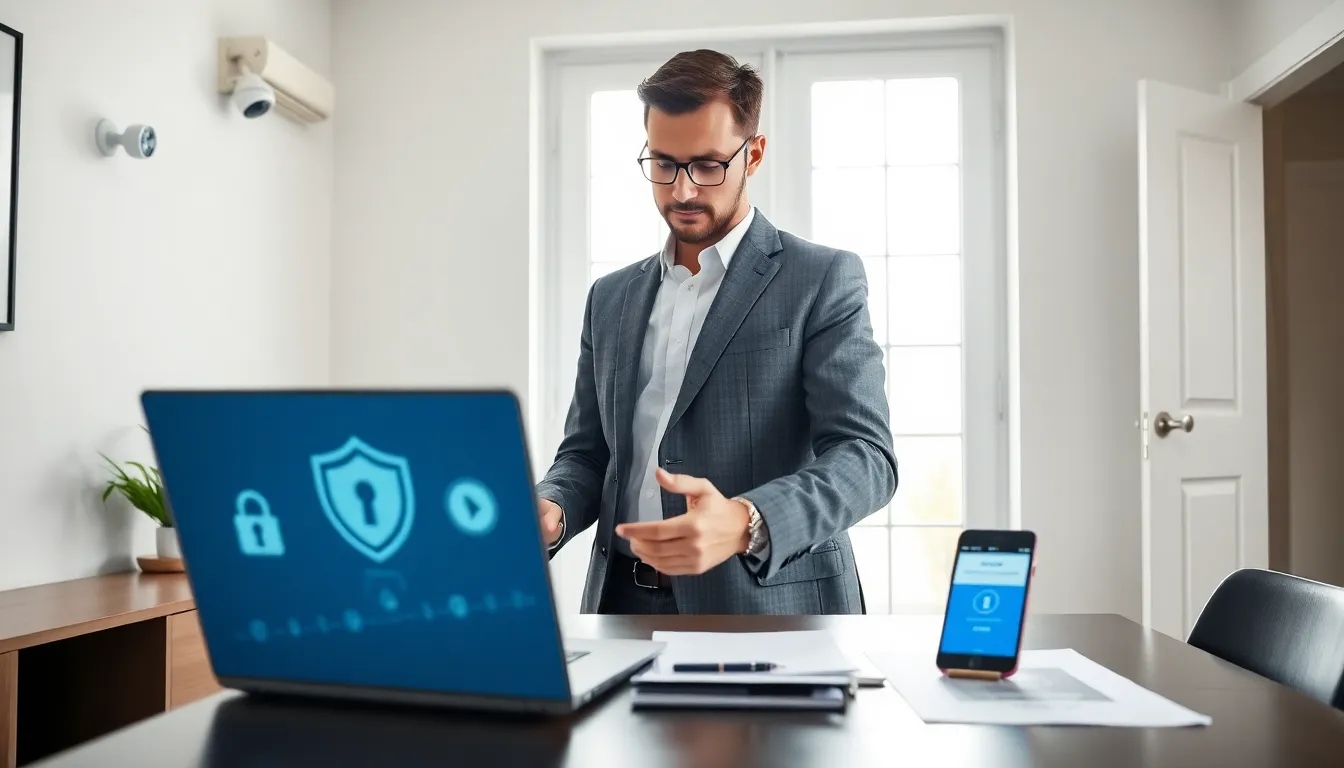
Learning how to security-proof your life has never been more important. Threats exist both online and offline, and most people underestimate their vulnerability until something goes wrong. The good news? A few practical changes can dramatically reduce your risk.
This guide covers the essential steps for protecting yourself, your data, and your property. Whether you’re concerned about hackers, home break-ins, or personal safety in public, you’ll find actionable advice here. Let’s get started.
Table of Contents
ToggleKey Takeaways
- Learning how to security-proof your life requires a proactive approach across digital, physical, and situational awareness areas.
- Use strong, unique passwords for every account and enable two-factor authentication (2FA) on critical services like email and banking.
- Keep all devices updated and use a VPN when accessing sensitive information on public Wi-Fi networks.
- Strengthen home security with deadbolt locks, motion-activated lighting, and security cameras at entry points.
- Stay alert in public spaces by trusting your instincts, keeping valuables hidden, and avoiding distractions like your phone.
- Build community connections with neighbors to create an informal watch system that notices unusual activity.
Understanding the Basics of Personal Security
Security starts with awareness. Before anyone can protect themselves effectively, they need to understand what they’re protecting against.
Personal security covers three main areas: digital security, physical security, and situational awareness. Each requires different strategies, but they share a common foundation, being proactive rather than reactive.
The first step in how to security-proof your life is assessing your current vulnerabilities. Ask yourself:
- How strong are your passwords?
- Do you lock your doors consistently?
- Can strangers easily access your personal information online?
Most security breaches happen because of simple oversights. Someone reuses the same password across multiple accounts. A homeowner forgets to lock a window. A person shares too much on social media.
Think of security like health. Prevention beats treatment every time. Small daily habits, checking locks, using unique passwords, staying aware of your surroundings, add up to significant protection over time.
Understanding how to security works also means recognizing that threats evolve. What protected you five years ago may not work today. Regular security audits of your habits and systems keep you ahead of potential problems.
Strengthening Your Digital Security
Digital threats affect nearly everyone. From phishing emails to data breaches, online risks can lead to identity theft, financial loss, and serious headaches. Knowing how to security-proof your digital life is essential.
Start with your devices. Keep operating systems and apps updated. These updates often patch security vulnerabilities that hackers exploit. Enable automatic updates whenever possible.
Two-factor authentication (2FA) adds a critical layer of protection. Even if someone steals your password, they can’t access your account without the second verification step. Use 2FA on email, banking, and social media accounts.
Be skeptical of unexpected emails and messages. Phishing attacks often look legitimate but contain malicious links. Before clicking anything, verify the sender’s identity. When in doubt, go directly to the website rather than clicking email links.
Public Wi-Fi networks pose risks too. Avoid accessing sensitive accounts, like banking, on unsecured networks. A VPN (virtual private network) encrypts your connection and provides safer browsing on public networks.
Password Management Best Practices
Passwords remain the first line of defense for most accounts. Yet many people still use weak, easily guessed passwords like “123456” or “password.”
Strong passwords should be at least 12 characters long. They should include uppercase letters, lowercase letters, numbers, and symbols. Avoid using personal information like birthdays or pet names.
The biggest mistake? Reusing passwords. If one account gets compromised, hackers try those same credentials on other sites. One breach becomes many.
Password managers solve this problem. These tools generate and store unique, complex passwords for every account. Users only need to remember one master password. Popular options include LastPass, 1Password, and Bitwarden.
Change passwords immediately if you suspect a breach. Many security experts recommend updating critical passwords, like email and banking, every few months. This limits the damage if credentials are exposed without your knowledge.
Enhancing Physical Security at Home
Your home should be your safest space. Learning how to security-proof your property protects both your belongings and your peace of mind.
Doors and windows are the obvious entry points. Ensure all exterior doors have deadbolt locks. Sliding doors should have security bars or pins to prevent forced entry. Check that window locks function properly, especially on ground-floor windows.
Lighting deters criminals. Motion-activated lights around entry points make it harder for someone to approach unnoticed. Interior lights on timers create the impression someone is home, even when you’re away.
Security cameras have become affordable and easy to install. Place them at entry points and areas with limited visibility. Many modern systems allow remote monitoring through smartphone apps. Even visible dummy cameras can discourage potential intruders.
Don’t advertise your absence. Pause mail and package deliveries during vacations. Avoid posting travel plans on social media until you return. An empty driveway and piled-up newspapers signal an unoccupied home.
Get to know your neighbors. A connected community notices unusual activity. Consider joining or starting a neighborhood watch program. Sometimes the best security system is people looking out for each other.
Staying Vigilant in Public Spaces
Security doesn’t stop at your front door. Understanding how to security-conscious behavior works in public spaces can prevent theft, assault, and other crimes.
Awareness is your primary tool. Pay attention to your surroundings, especially in unfamiliar areas. Put down your phone occasionally. Criminals often target distracted individuals.
Trust your instincts. If a situation feels wrong, leave. That uncomfortable feeling exists for a reason. There’s no prize for ignoring warning signs.
Keep valuables out of sight. Don’t flash expensive jewelry, electronics, or large amounts of cash. In vehicles, store bags in the trunk rather than visible seats.
Travel in groups when possible, particularly at night. Well-lit, populated routes are safer than shortcuts through isolated areas. Share your location with trusted contacts during evening outings.
ATM safety matters too. Use machines inside banks when possible. Shield your PIN entry. Be aware of anyone standing too close. If something seems off, find another ATM.