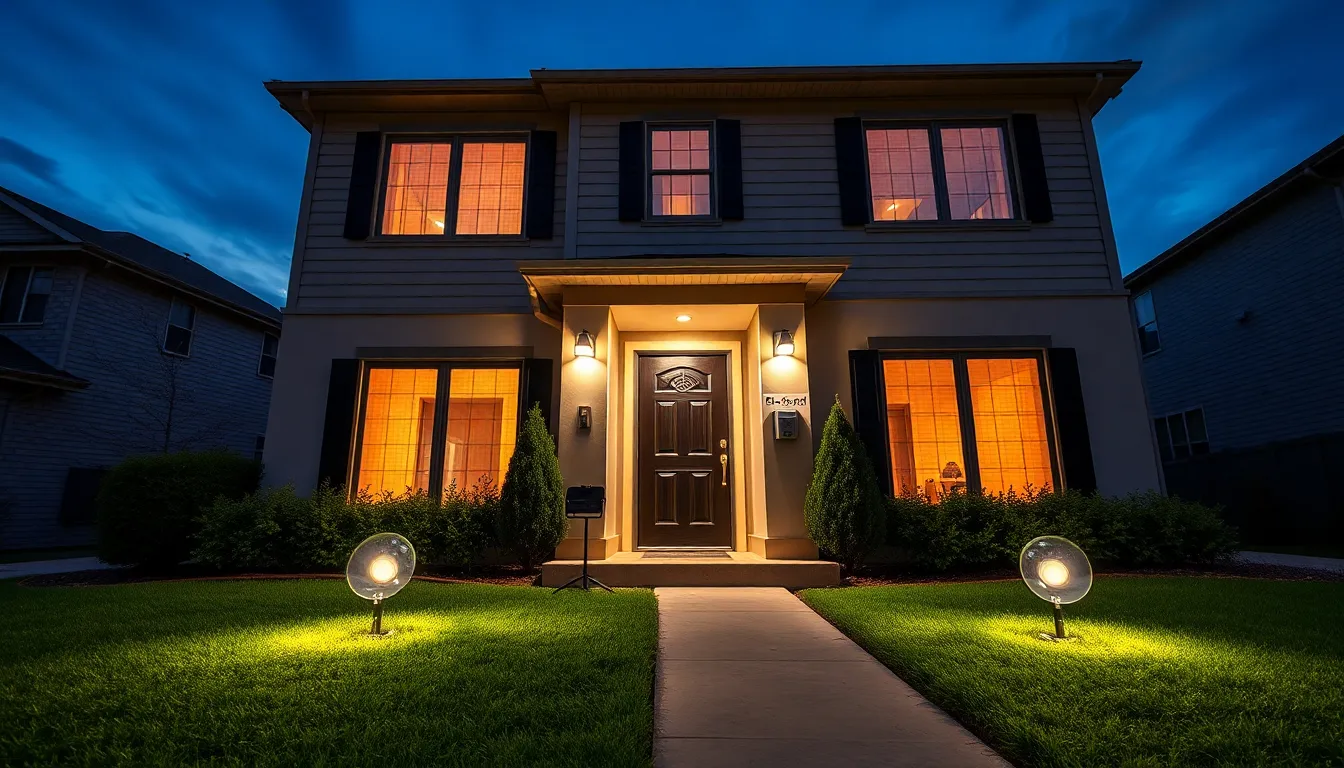
Homeowners want peace of mind. The right security ideas can make a real difference in protecting property and loved ones. Burglaries happen every 25 seconds in the United States, according to FBI crime data. That statistic alone should prompt action.
This guide covers practical security ideas that work. From smart locks to strategic lighting, these methods combine technology with common sense. Each approach addresses specific vulnerabilities that intruders exploit. The goal is simple: make a home harder to target and easier to defend.
Table of Contents
ToggleKey Takeaways
- Reinforce entry points with smart locks, solid doors, and strike plate kits since most break-ins occur through doors.
- A modern home security system with cameras, sensors, and smart integration provides coordinated protection and deters intruders.
- Motion-activated outdoor lighting is one of the most cost-effective security ideas because burglars avoid well-lit properties.
- Strategic landscaping—trimming shrubs below window height and removing tree access to upper floors—eliminates hiding spots for criminals.
- Daily habits like locking all doors, managing mail during travel, and avoiding social media vacation posts are essential to home security.
- Building relationships with neighbors creates a natural watch network that discourages criminal activity in your area.
Strengthen Entry Points With Smart Locks and Reinforced Doors
Most break-ins happen through doors. The front door accounts for 34% of burglary entries, while back and side doors make up another significant portion. This makes entry points the first priority for any security ideas list.
Smart locks offer several advantages over traditional deadbolts. They eliminate the risk of lost keys. Homeowners can grant temporary access codes to guests or service workers. Many models send alerts when someone unlocks the door. Popular options include keypad locks, Bluetooth-enabled locks, and fingerprint readers.
But, a smart lock only works as well as the door it protects. Hollow-core doors provide almost no resistance to forced entry. Solid wood or steel doors perform much better. A door should be at least 1.75 inches thick to resist kicking.
Door frames deserve equal attention. Many burglars simply kick in weak frames rather than picking locks. Strike plate reinforcement kits cost under $30 and dramatically increase kick resistance. These kits use 3-inch screws that anchor into the wall studs behind the frame.
Sliding doors present unique challenges. A simple security bar or dowel rod in the track prevents the door from opening even if the lock fails. Glass-break sensors add another layer of protection.
Garage doors often get overlooked. An automatic garage door opener with rolling code technology prevents code theft. Homeowners should also reinforce the door between the garage and main house, it’s a common secondary entry point.
Install a Modern Home Security System
A complete home security system ties together multiple security ideas into one coordinated defense. Modern systems have evolved far beyond simple door alarms.
Today’s security systems typically include door and window sensors, motion detectors, glass-break sensors, and a central control panel. Many connect to professional monitoring services that dispatch police when alarms trigger. Self-monitored options send alerts directly to smartphones for homeowners who prefer control over monthly fees.
Security cameras serve both deterrent and documentation purposes. Visible cameras discourage casual intruders. If a break-in occurs, footage helps identify suspects and supports insurance claims. Placement matters, cameras should cover all entry points, the driveway, and any blind spots around the property.
Wireless systems have made DIY installation practical. Battery-powered sensors stick to doors and windows without drilling. Wi-Fi cameras mount in minutes. This accessibility means more homeowners can carry out professional-grade security ideas without hiring installers.
Video doorbells deserve special mention. They allow homeowners to see and speak with visitors remotely. Package theft drops significantly when delivery people know they’re on camera. Motion-activated recording captures anyone who approaches, even when no one rings the bell.
Integration with smart home platforms adds convenience. Homeowners can arm their security system, lock doors, and check cameras from a single app. Automation rules can trigger lights when motion is detected or lock all doors at a set time each night.
Use Outdoor Lighting and Landscaping Strategically
Burglars prefer darkness. Proper outdoor lighting removes the cover they need to approach undetected. This simple truth makes lighting one of the most cost-effective security ideas available.
Motion-activated lights startle intruders and draw attention from neighbors. They also save energy compared to lights that run all night. Strategic placement should cover all entry points, walkways, and dark corners of the property.
Solar-powered path lights provide ambient lighting without adding to electricity bills. Timer-controlled lights inside the home create the appearance of occupancy when residents travel. Smart bulbs can randomize on-off patterns to look more natural than static timers.
Landscaping affects security more than many homeowners realize. Tall shrubs near windows provide hiding spots for burglars. Trimming bushes to below window height removes this cover. Thorny plants like roses or barberry under windows add a natural deterrent.
Trees should not provide easy access to second-floor windows. Branches that overhang the roof can serve as climbing aids. Regular trimming eliminates this vulnerability.
Fences send mixed signals for security. They define property boundaries and slow down intruders, but solid privacy fences also hide criminal activity from neighbors once someone gets inside. A balance works best, shorter fences in front, taller in back, with visibility for neighbors to notice unusual activity.
Adopt Daily Habits That Deter Intruders
Technology alone cannot protect a home. Daily habits matter just as much as any device. The best security ideas combine tools with smart behavior.
Locking doors and windows seems obvious, but surveys show many burglaries involve unlocked entry points. A quick walk-through each night takes two minutes and closes gaps that gadgets cannot fix. This includes windows left cracked for ventilation and garage doors left open after pulling in the car.
Social media habits affect home security. Public vacation posts announce empty homes to potential thieves. Sharing photos after returning works just as well for memories without the risk. Location check-ins reveal when residents are away from home.
Mail and package management signals occupancy. Overflowing mailboxes and packages piling on porches indicate no one is home. Mail holds during travel, package lockers, and delivery instructions for neighbors solve this problem.
Routine maintenance matters too. Overgrown lawns and accumulated flyers suggest vacancy. Hiring a neighbor’s teenager to mow during vacations maintains appearances. Newspapers should stop during extended trips.
Knowing neighbors creates a natural watch network. Criminals avoid communities where residents pay attention. Exchanging phone numbers allows quick alerts about suspicious activity. Formal neighborhood watch programs take this a step further with organized patrols and communication channels.
Document valuables with photos and serial numbers. This step does not prevent theft but speeds recovery and insurance claims. A home inventory stored in cloud storage remains accessible even if local copies are stolen.